Snorkeling In Sicily
Underwater Guide

Best Snorkeling in Sicily

Sicily's coastline stretches across 1,500 kilometers of volcanic rock shelves, limestone cliffs, and protected marine reserves where visibility reaches 30 meters on calm days. The island's position in the central Mediterranean creates distinct ecosystems along its northern, eastern, and western shores. This guide identifies the reserves, coves, and seasonal windows that deliver the clearest water and most diverse marine encounters.

7 min read Updated 2026-11-05 Fact-checked
Best Snorkeling in Sicily

Quick answer

The best snorkeling in Sicily concentrates in three protected zones: Riserva dello Zingaro on the northwest coast for shallow reefs and grouper populations, Isola Bella near Taormina for accessible rock formations and damselfish schools, and the Egadi Islands west of Trapani for posidonia meadows and octopus habitat. Visibility peaks between May and September when water temperatures range from 20°C to 26°C and wind patterns stabilize. The northwest reserves open daily from 07:00 to 19:00 with a 5 EUR entrance fee per adult.

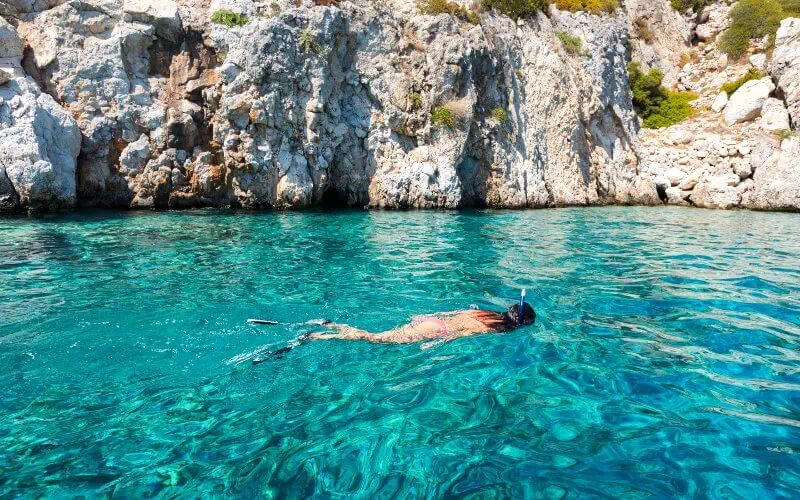
Sicily's underwater topography was shaped by millennia of volcanic activity and tectonic shifts that created steep drop-offs, underwater caves, and basalt platforms now colonized by Mediterranean sponges, sea urchins, and schools of bream. The island's marine reserves protect over 200 square kilometers of seabed where fishing restrictions have allowed populations of grouper, octopus, and moray eels to recover since the 1980s. The northwest coast between Scopello and San Vito Lo Capo offers the most accessible snorkeling infrastructure. Riserva dello Zingaro maintains seven coves with rocky entries and depths ranging from two to twelve meters within swimming distance of shore. The reserve's limestone cliffs shelter the water from prevailing winds, creating consistent visibility even during shoulder seasons. Underwater, you encounter terraced rock formations covered in Neptune grass and populated by damselfish, wrasse, and occasional sea turtles that migrate through in late summer. Eastern Sicily presents a different profile. The coast near Taormina features volcanic substrates and deeper water close to shore. Isola Bella, a small island connected to the mainland by a narrow sandbar, creates tidal pools and channels where marine life concentrates. The Aci Trezza area north of Catania is known for the Cyclops Rocks, basalt formations rising from depths of 15 to 20 meters that attract larger species including barracuda and amberjack during autumn months. Western Sicily's appeal lies in the offshore islands. The Egadi archipelago sits 20 kilometers from Trapani and encompasses Favignana, Levanzo, and Marettimo. These islands feature extensive posidonia meadows, a protected seagrass that oxygenates the water and provides nursery habitat for juvenile fish. Boat access is required, but the offshore position ensures water clarity that regularly exceeds 25 meters. Snorkelers report frequent encounters with octopus, cuttlefish, and schools of salema porgy that follow the continental shelf edges. The combination of protected status, geographic diversity, and seasonal stability positions Sicily's marine reserves among the Mediterranean's most rewarding snorkeling destinations for both novice and experienced underwater observers.

“Sicily's marine reserves protect over 200 square kilometers of seabed where fishing restrictions have allowed populations of grouper, octopus, and moray eels to recover since the 1980s.”
What to see

Key Zones for the Best Snorkeling in Sicily

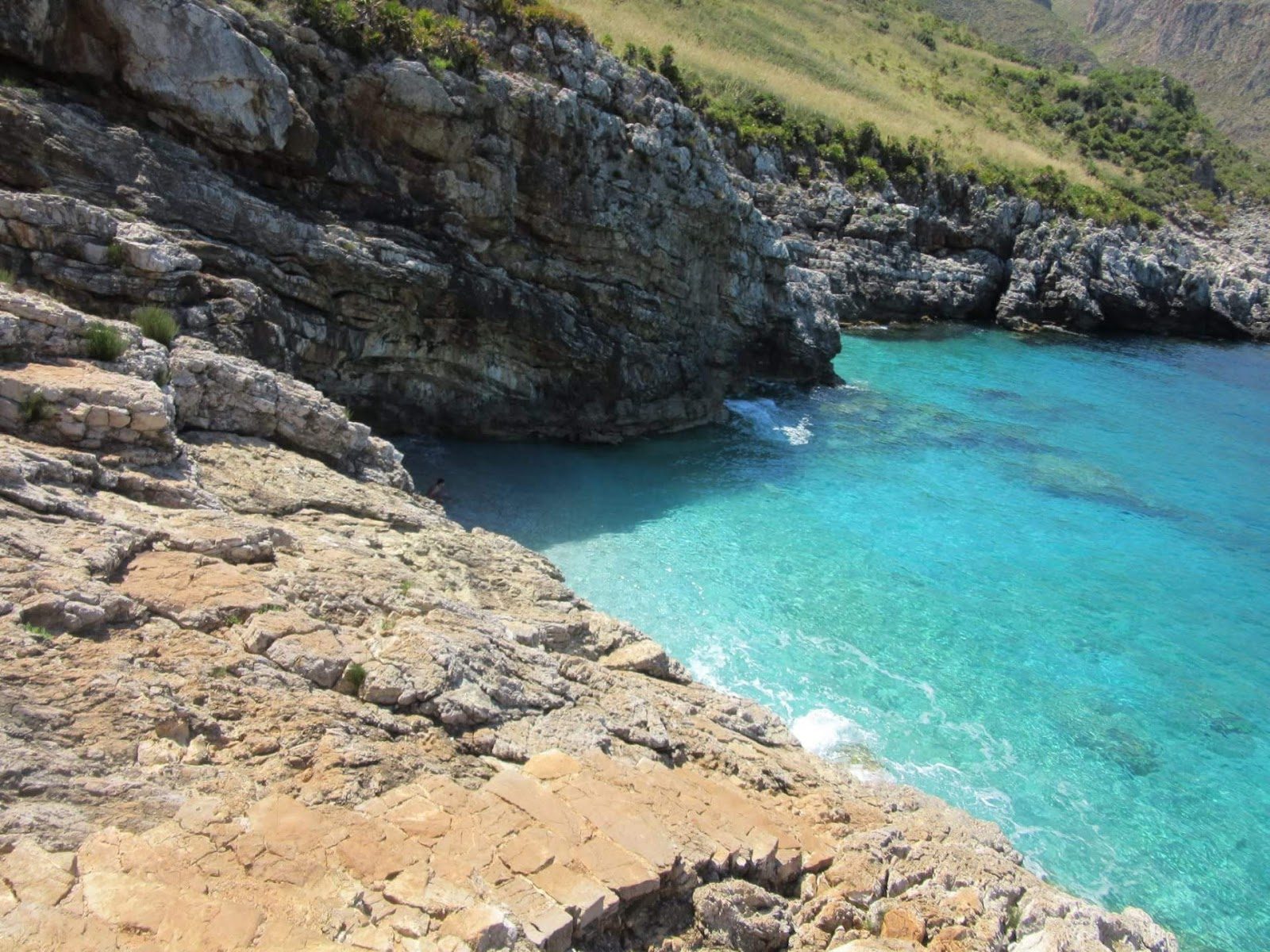
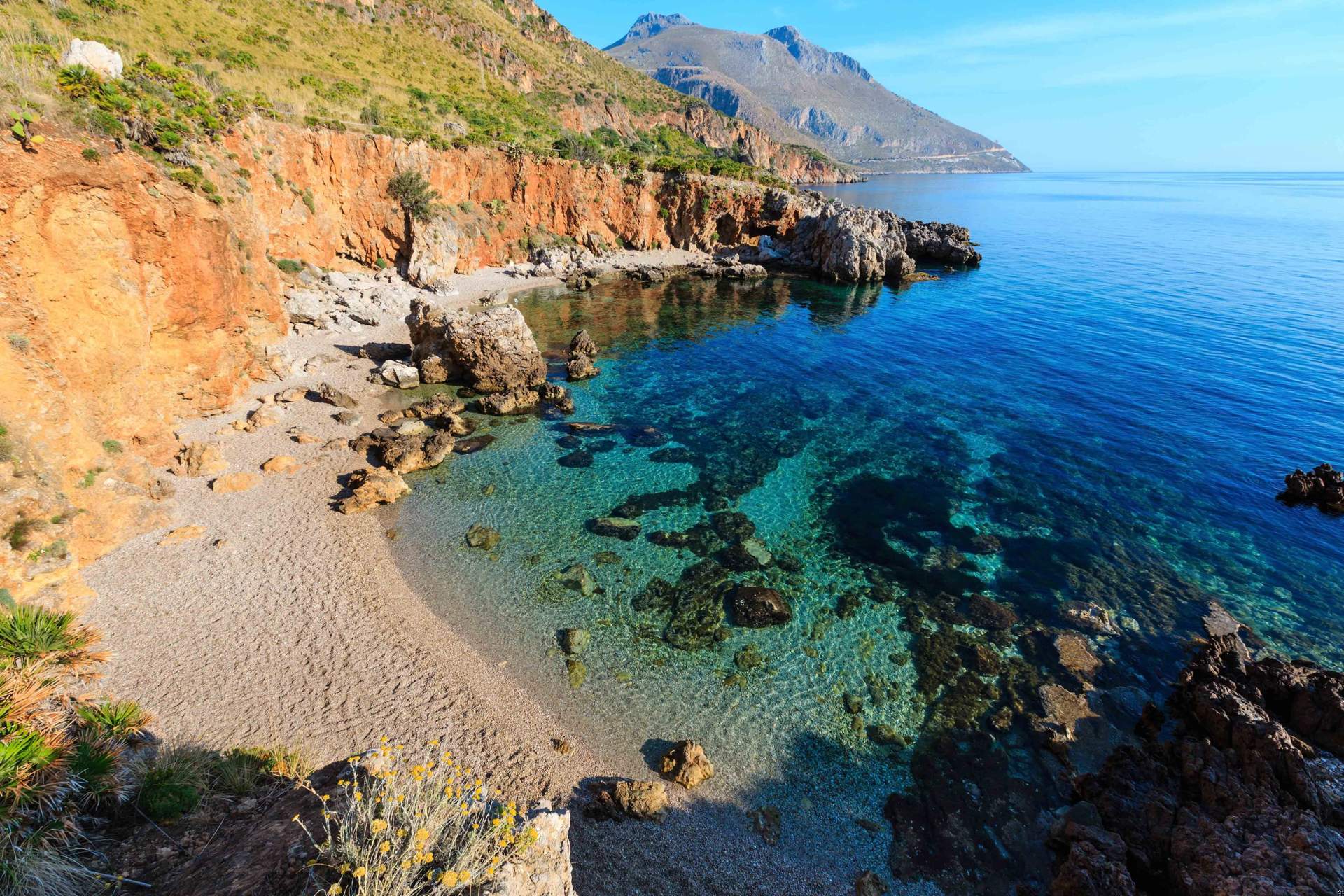
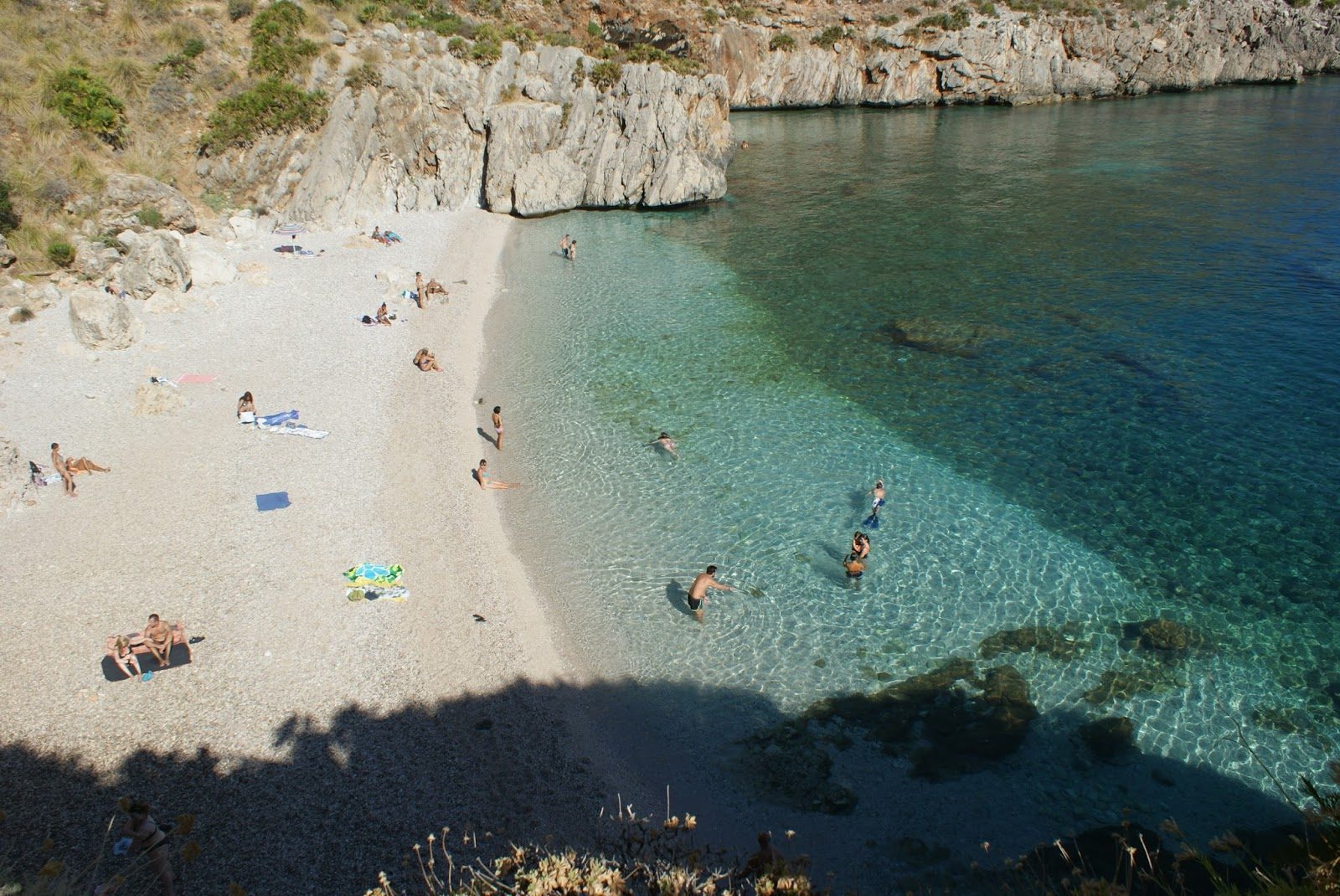
The Zingaro Nature Reserve preserves several distinct coves where restricted boat traffic allows for high marine biodiversity. These marine zones provide accessible environments for observing Mediterranean species in their natural habitat.

Cala Tonnarella dell'Uzzo

Cala Tonnarella dell'Uzzo

Located at the northern entrance, this cove features large rock formations and sandy patches that attract schools of damselfish and sea bream. The shallow entry point makes it suitable for calm-water observation.

Enter from the north side to avoid the steepest trail sections.
Cala Torre dell'Uzzo

Cala Torre dell'Uzzo

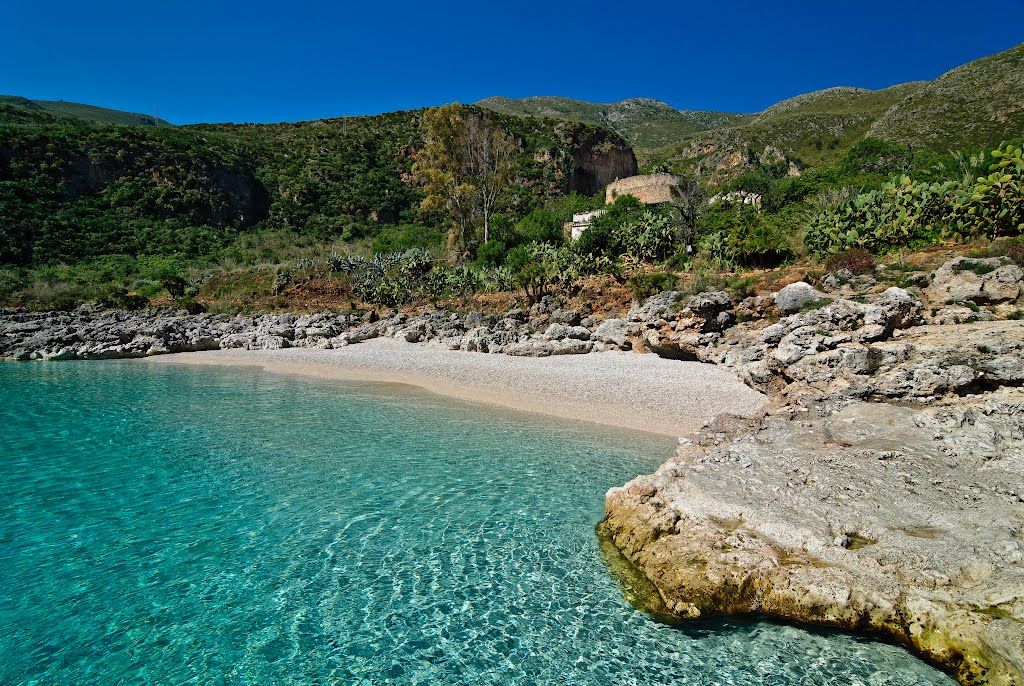
This zone is characterized by pebble shores and deep blue water where Posidonia meadows provide shelter for colorful wrasse and octopus. Snorkelers often spot marine life near the submerged cliff walls.

Stay close to the rock walls for higher visibility.

Cala Marinella

Cala Marinella

Accessible via a moderate hike, this cove is known for its clear water and rocky seabed, which hosts diverse Mediterranean marine flora. It remains quieter than the main entry beaches throughout the day.

Visit during the early morning arrival window for calm water.

Cala Disa

Cala Disa

This area offers expansive submerged rocky platforms and frequent sightings of amberjack or grouper in the deeper fringes. The transition from gravel to reef supports significant underwater variety.

Scan the deeper rock gaps for hidden fish species.

Checklist

Checklist for the Best Snorkeling in Sicily

Rocky entry points and full sun exposure make the right gear essential for a safe snorkeling session.

Book

Check availability

Frequently asked

Frequently asked questions about best snorkeling in sicily

Everything you need to know about best snorkeling in sicily

What makes the Zingaro Reserve the best snorkeling in sicily?

The Riserva dello Zingaro offers protected marine environments with crystal-clear waters and diverse Mediterranean sea life, making it a premier destination for underwater exploration. Visitors can observe schools of fish and unique rock formations while enjoying one of the best snorkeling in sicily experiences.

What should I bring for a snorkeling excursion in Sicily?

While snorkeling gear is essential, remember to bring sun protection, hydration, and appropriate footwear for the rocky trails. You should plan your visit carefully as the area offers limited facilities.

Can families easily enjoy the best snorkeling in sicily at this location?

Yes, families can explore the calm coves, though the rocky terrain requires caution during the hike to the water. It remains one of the best snorkeling in sicily options for those who enjoy nature and coastal walks.

Are there specific rules for underwater activities in the reserve?

The reserve enforces strict environmental protection rules to keep the ecosystem intact. Always respect the marine habitat and avoid touching the flora and fauna found at the best snorkeling in sicily sites.

Keep reading

More guides & pages