Snorkeling In Sicily
Visitor Guide

Is There Snorkeling in Sicily

Sicily's coastline offers more than beaches—its clear Mediterranean waters host accessible snorkeling along rocky shores, marine reserves, and offshore islets. Most public beaches allow free entry, and the best underwater visibility arrives between late spring and early autumn.

9 min read Updated 2026-09-30 Fact-checked
Is There Snorkeling in Sicily

Quick answer

Yes, there is snorkeling in Sicily. The island's Mediterranean coastline provides numerous snorkeling opportunities at public beaches and protected marine areas, with free access to most sites. Water clarity peaks from May through October, and the best window for calm conditions and visibility is between 09:00 and 11:00 before afternoon winds pick up. Rocky shorelines, marine reserves, and offshore islets offer the richest underwater scenery.

Sicily sits at the crossroads of three seas—the Tyrrhenian, Ionian, and Mediterranean—creating distinct underwater environments around a single island. The northern coast near Cefalù and the Aeolian Islands features volcanic rock formations and steep drop-offs, while the southeastern stretches around Siracusa and the Vendicari Reserve present shallow seagrass meadows and limestone reefs. The western Zingaro Reserve protects one of the island's most biodiverse coastal strips, with coves sheltered from boat traffic. Marine life reflects Sicily's position between Europe and Africa. Groupers, octopuses, damselfish, and sea bream occupy the rocky zones, while seagrass beds host seahorses and cuttlefish. Deeper areas near the Egadi Islands occasionally bring encounters with barracuda and amberjack. Visibility ranges from eight to twenty-five meters depending on weather, tides, and recent rainfall—mornings generally deliver the clearest water before wind and boat activity stir sediment. Snorkeling locations in Sicily divide into three categories. Protected marine reserves like Ustica, Zingaro, and the Cyclops Islets enforce stricter rules but guarantee better conditions and wildlife density. Public beaches with rocky access points—such as Cala Rossa on Favignana, Isola Bella near Taormina, and the coves around San Vito Lo Capo—offer free entry and decent visibility during calm weather. Offshore islets like Lampedusa and the Egadi archipelago require boat transfers but deliver the most dramatic underwater topography. Most sites have no facilities beyond parking; bring your own mask, snorkel, and fins. The Sicilian snorkeling season mirrors the Mediterranean's thermal calendar. Surface temperatures climb above twenty degrees Celsius by late May and hold through October, with July and August reaching twenty-six degrees—warm enough for extended sessions without a wetsuit. Spring and autumn deliver fewer crowds and stable weather windows, though occasional scirocco winds from Africa can reduce visibility for a day or two. Winter snorkeling is possible along the southern coast, but water temperatures drop to fifteen degrees and require thermal protection. Check local wind forecasts before heading out; tramontana winds from the north create chop along the Tyrrhenian coast, while the libeccio affects western exposure sites.

“Sicily sits at the crossroads of three seas, creating distinct underwater environments around a single island.”
Timing

When Is the Best Time for Snorkeling in Sicily?

The period from June to September offers the most consistent water temperatures for snorkeling, while May and October provide a balance of comfortable air temperatures and reduced tourist density. To ensure the highest visibility and personal space, aim to arrive during the designated best arrival window of 09:00–11:00.

June–September

High demand on coastal areas

Water temperatures reach 23°C to 26°C

These months offer the warmest conditions for extended time in the water. Visibility is generally high, though beaches are busiest during July and August.

May and October

Moderate crowds at popular sites

Mild air with water around 20°C

These shoulder months provide quieter conditions. The water remains suitable for snorkeling while avoiding the peak summer heat.

Weekday mornings

Low to moderate crowd levels

—

Arriving between 09:00–11:00 utilizes the best water clarity before daily winds increase. This window minimizes interaction with the afternoon surge of beach visitors.

Verdict: The best time for snorkeling in Sicily is during the months of June or September, specifically arriving between 09:00–11:00 to optimize water clarity.

Prices

Is Snorkeling in Sicily Free to Access?

Access to snorkeling in Sicily is primarily through public beaches and coastal areas, which do not require an entry fee. There are no official admission charges for snorkeling in these natural maritime environments.

Public Beach Access No entry fee required
0 EUR
Coastal Waters Free access to all snorkelers
0 EUR
Public beaches and coastal snorkeling areas are accessible to everyone free of charge.

Verdict: A typical adult pays 0 EUR for access, as snorkeling areas in Sicily are public and free.

Opening hours

What Are the Opening Hours for Snorkeling in Sicily?

Public beaches and coastal snorkeling areas in Sicily are accessible at all times throughout the week. You may access these locations for independent snorkeling activities 24 hours a day.

Monday
00:00–23:59
Tuesday
00:00–23:59
Wednesday
00:00–23:59
Thursday
00:00–23:59
Friday
00:00–23:59
Saturday
00:00–23:59
Sunday
00:00–23:59
There is no last entry requirement as public coastal access remains open continuously.
What to see

Where to Go Snorkeling in Sicily: Notable Coastal Zones

Sicily features diverse coastal environments ranging from protected marine reserves to rocky volcanic coves. These zones provide varied underwater topography and access to Mediterranean marine life.

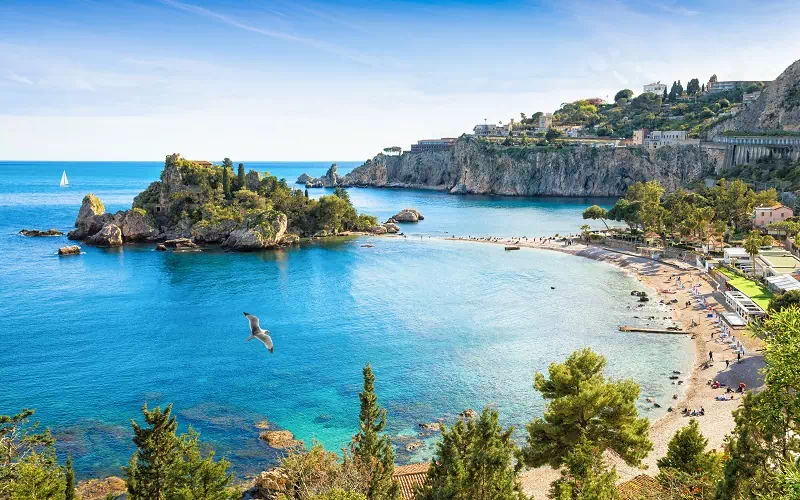
Isola Bella

Isola Bella

Located near Taormina, this nature reserve consists of a pebble beach and clear, protected waters surrounding a small island. It is accessible by a narrow strip of sand during low tide.

Swim toward the outer rocks to find deeper, clearer water.
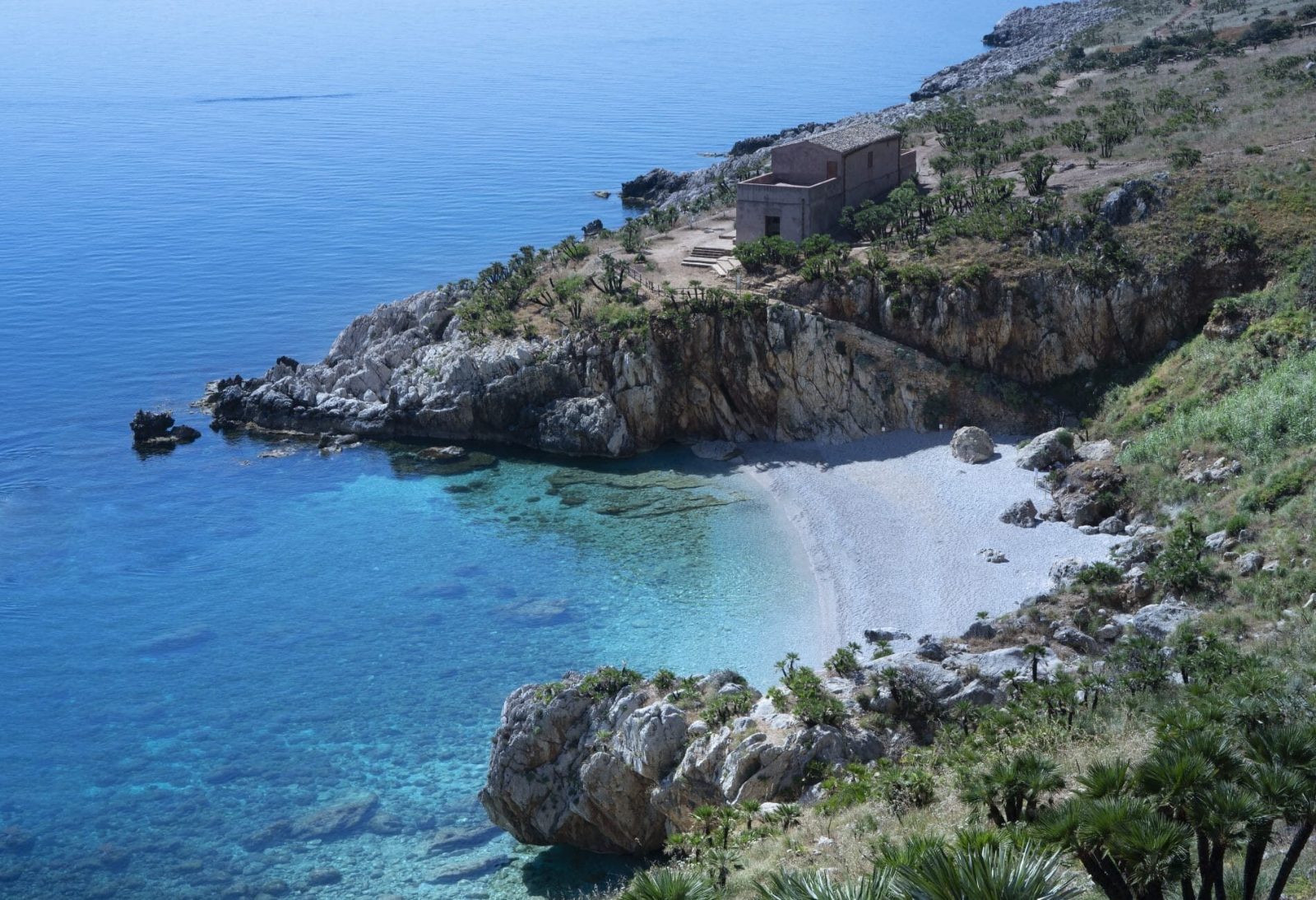
Riserva dello Zingaro

Riserva dello Zingaro

This protected coastal stretch near San Vito Lo Capo offers secluded limestone coves with vibrant fish populations. The absence of road access preserves the clarity of the marine environment.

Explore the small coves reachable only by the coastal hiking trail.

Plemmirio Marine Reserve

Plemmirio Marine Reserve

Situated south of Syracuse, this protected area features dramatic underwater cliffs and caves carved into limestone. It serves as a sanctuary for various Mediterranean species.

Focus on the Punta della Mola area for varied rock formations.

Ustica Island

Ustica Island

Known for its status as a marine protected area, this volcanic island provides some of the most transparent waters in the region. The volcanic geography creates complex underwater terrain for observation.

Visit the Cala Sidoti area for accessible shore-based entry.

Checklist

Is Snorkeling in Sicily Safe: Your Pre-Visit Checklist

Sicily's coastal waters are generally calm, but proper preparation ensures a safe and comfortable snorkeling experience.

Book

Check availability

Frequently asked

Common Questions About Snorkeling in Sicily

Everything you need to know about is there snorkeling in sicily

Is there snorkeling in Sicily?

Yes, there is snorkeling in Sicily, with numerous coastal areas offering clear Mediterranean waters and diverse marine life. Exploring the rocky coves and marine reserves provides excellent opportunities to view local biodiversity. Many visitors wonder is there snorkeling in Sicily that is accessible, and the answer is that the coastline is open for exploration. If you are planning a trip, searching for information on is there snorkeling in Sicily will reveal many public beaches perfect for this activity.

What are the best snorkeling spots in Sicily?

The island features several protected areas, such as the Plemmirio Marine Reserve and the Riserva dello Zingaro, which are ideal for underwater observation. These locations are renowned for vibrant seagrass meadows and rocky reefs. Those asking is there snorkeling in Sicily will find these spots provide the highest water clarity and diversity. You can explore these Mediterranean underwater habitats independently at your leisure.

Is there snorkeling in Sicily for beginners?

Yes, many shallow bays and calm coastal waters make snorkeling in Sicily suitable for those new to the activity. Gentle entries from public beaches allow for a comfortable start. Beginners should focus on sheltered inlets where current is minimal. Local instructors offer guided excursions to help newcomers build confidence in the water.

What equipment do I need if there is snorkeling in Sicily?

While some excursions provide gear, many enthusiasts choose to bring their own mask, snorkel, and fins for the best fit. Ensuring your equipment is well-maintained is essential for a safe experience. If you are wondering is there snorkeling in Sicily without professional gear, basic sets are widely available for purchase at local sports shops. Always consider carrying a reliable wetsuit if you plan to stay in the water for extended periods during the shoulder season.

Is there snorkeling in Sicily that is free to access?

Access to public beaches and many marine areas is free of charge. You do not need to pay an entrance fee to enjoy the sea around the island. Because there is no entrance fee, you have the flexibility to visit various locations throughout your stay. Enjoying the natural coastal beauty remains an affordable way to spend your time.

What is the best time of day to go snorkeling?

The best time for optimal visibility and fewer crowds is between 09:00 and 11:00. Arriving during this window helps you avoid the afternoon peak when waters may become more turbid. You will find that the morning light is perfect for observing colorful marine species. Planning your visit for these early hours ensures a more peaceful underwater experience.

Can I find guided snorkeling tours in Sicily?

While many visitors explore independently, there are various guided trips available that depart from popular coastal hubs. These professionals can direct you to hidden reefs and sensitive habitats that are not immediately obvious from the shore. If you prefer a structured experience, booking a local tour is a great way to see the best of the underwater world. Always check local listings to find reputable providers that align with your schedule.

Keep reading

More guides & pages