
English| USD
Suggested for you
More currencies
Choose a language
Sicily's northwest coastline shelters some of the Mediterranean's most accessible snorkeling sites, many protected within nature reserves. This guide covers the beaches where entry is free, water clarity peaks in morning hours, and underwater ecosystems thrive without crowds.
Quick answer
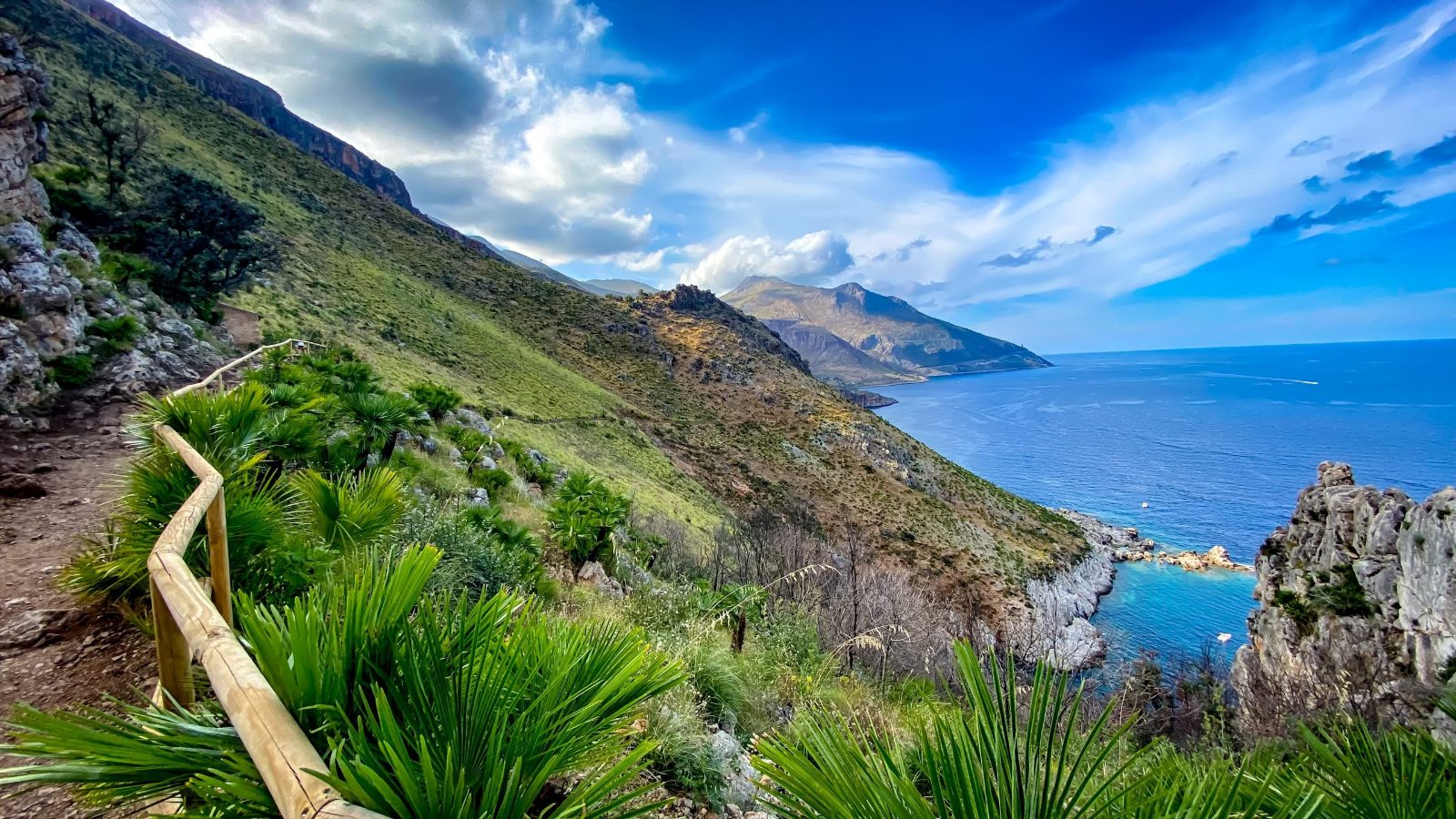
Sicily offers numerous free-access snorkeling beaches, with the Riserva Naturale Orientata dello Zingaro being the flagship site at zero entrance cost and open daily from midnight to midnight. Arrive between 07:00 and 10:00 to avoid peak crowds and midday heat, ensuring clearer water and superior visibility. The reserve's seven coves provide varied underwater terrain, from shallow seagrass meadows to rocky drop-offs populated by grouper, octopus, and seasonal damselfish.
The Tyrrhenian Sea along Sicily's northern edge holds visibility records that rival tropical destinations, a product of limestone geology and minimal river sediment. Water temperatures climb from 16°C in April to 27°C by August, extending the snorkeling season well into October when autumn storms remain rare. The Zingaro reserve spans seven kilometers of roadless coastline between San Vito Lo Capo and Scopello, accessible only on foot or by sea. Each of its coves—Cala della Disa, Cala Marinella, Cala Berretta, Cala Torre dell'Uzzo, Cala Tonnarella dell'Uzzo, Cala dell'Uzzo, and Cala Capreria—presents distinct underwater topography. Cala Marinella's shallow boulder fields attract juvenile fish and crustaceans, while Cala dell'Uzzo's deeper eastern flank supports dense posidonia meadows, a UNESCO-protected seagrass that oxygenates coastal waters. Grouper frequent the shadowed overhangs near Cala Torre, and octopus inhabit the rubble zones where rock meets sand. Morning snorkeling beaches in Sicily benefit from offshore winds that flatten the surface and suspend fewer particles. By 11:00, thermal winds reverse direction, stirring sediment and reducing visibility from twelve meters to six. The reserve's headquarters at the northern entrance stocks trail maps and real-time swell reports; rangers update conditions daily during summer months. Mobile reception drops within the first kilometer, so download offline maps before entering. Beyond Zingaro, the Egadi Islands—Favignana, Levanzo, Marettimo—extend the snorkeling corridor westward. Favignana's Cala Rossa offers sheltered entry and underwater caves, while Marettimo's north coast holds deeper sites suited to confident swimmers. Ferries depart Trapani hourly in summer, and day-trip logistics allow multi-site exploration without overnight lodging.
“Water temperatures climb from 16°C in April to 27°C by August, extending the snorkeling season well into October when autumn storms remain rare.”
Protected coastal zones such as the Riserva Naturale Orientata dello Zingaro maintain consistent daily access throughout the week.
Admission costs for snorkeling in Sicily typically depend on whether the beach is a public access area or a managed nature reserve. Most coastal locations require no payment, though protected sites may charge a conservation fee.
Verdict: A typical adult pays 0 EUR for most public beaches, with costs only applied when entering specific protected nature reserves.
Most snorkeling locations in Sicily are located along rugged coastlines that require a rental car for independent access. While major towns are reachable by public transport, reaching remote reserves often necessitates private transit.
SS115 and SP63 to Riserva dello Zingaro
AST Bus line from Trapani to San Vito Lo Capo
SP74 to Fontane Bianche
Regional line to Taormina-Giardini station
For the Riserva Naturale Orientata dello Zingaro, drive to the San Vito Lo Capo entrance early to secure parking. Using a rental car provides the flexibility needed to explore multiple coves within the reserve.
Pack the right gear and prepare in advance to make the most of Sicily's snorkeling beaches.
Everything you need to know about snorkeling beaches in sicily
The Riserva Naturale Orientata dello Zingaro is a primary destination for underwater exploration due to its protected coastline and clear waters. This location offers some of the most pristine snorkeling beaches in sicily for visitors seeking natural beauty.
Public beaches within the Zingaro Reserve have an entrance fee of 0 EUR. Visitors can access these areas freely during standard operation as part of the nature reserve management.
The best arrival window for snorkeling beaches in sicily is 07:00–10:00. Arriving early helps avoid peak crowds and midday heat while ensuring better water clarity for your underwater observations.
Facilities at protected coastal areas vary, but many remote locations lack extensive services. It is advisable to pack essentials such as water, sunscreen, and proper footwear for your visit to these marine sites.
Families often find the calm, shallow entry points of a Sicilian snorkeling spot well-suited for younger swimmers. Always supervise children closely, especially in areas where rocky outcrops exist near the shoreline.
Visitors should bring their own mask, snorkel, and fins, as rental services may not be available on-site. Including a rash guard or light wetsuit can help maintain comfort during longer sessions in the Mediterranean waters.
Most public access points to snorkeling beaches in sicily do not require prior reservations. You can simply arrive during the designated opening hours to explore the local reefs and marine biodiversity at your own pace.
Best Snorkeling Spots in Sicily
Read more GuideSicily Snorkeling Map
Read more GuideSnorkeling Safety and FAQs
Read more GuideClearest Water in Sicily
Read more Tickets & toursSnorkeling in Taormina
Read more Tickets & toursSnorkeling in Cefalù
Read more Tickets & toursSnorkeling in Catania
Read more